Get in Touch
We will get back to you within 24 hours.
We will get back to you within 24 hours.
Welcome to MVS Blog
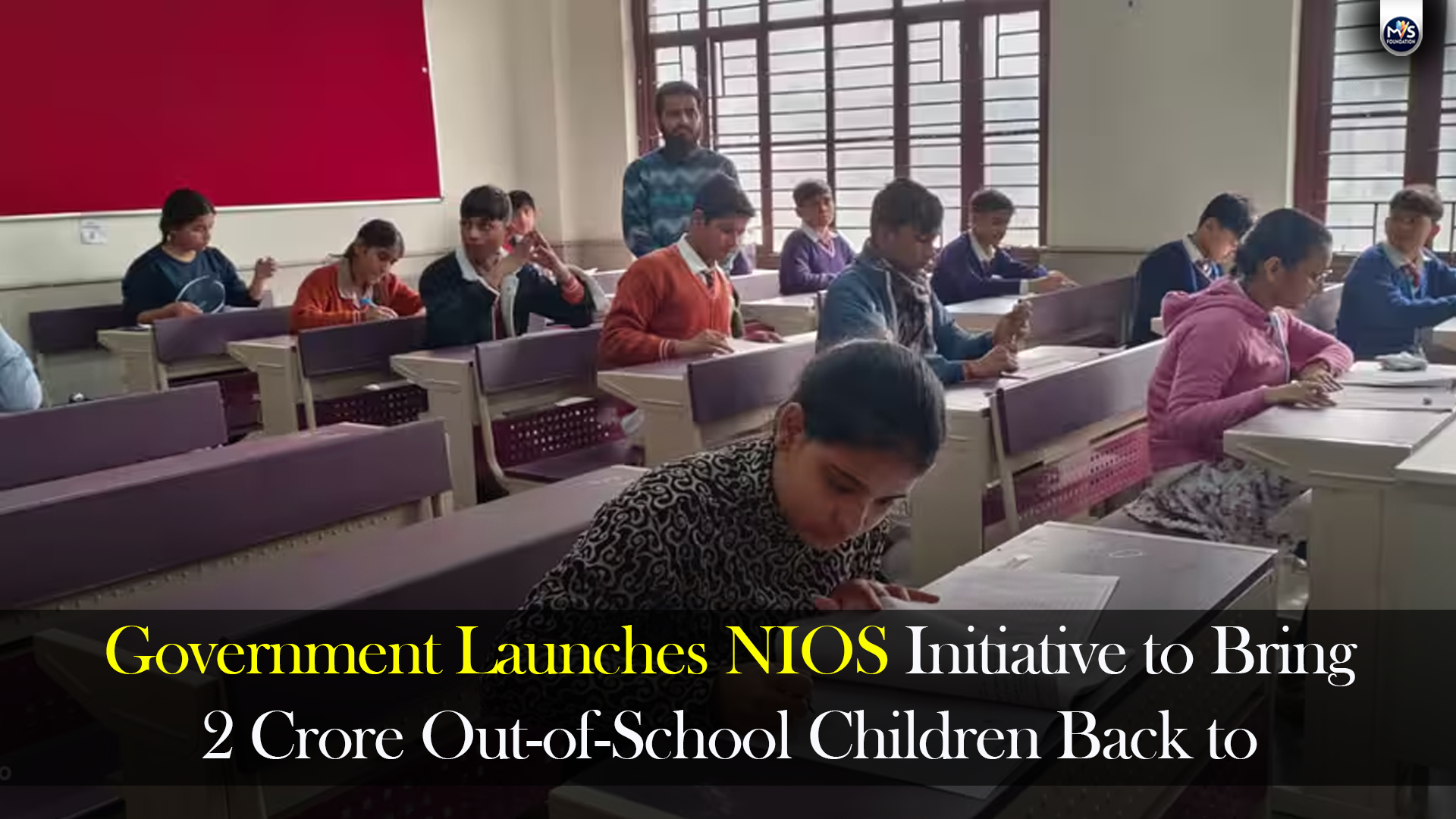
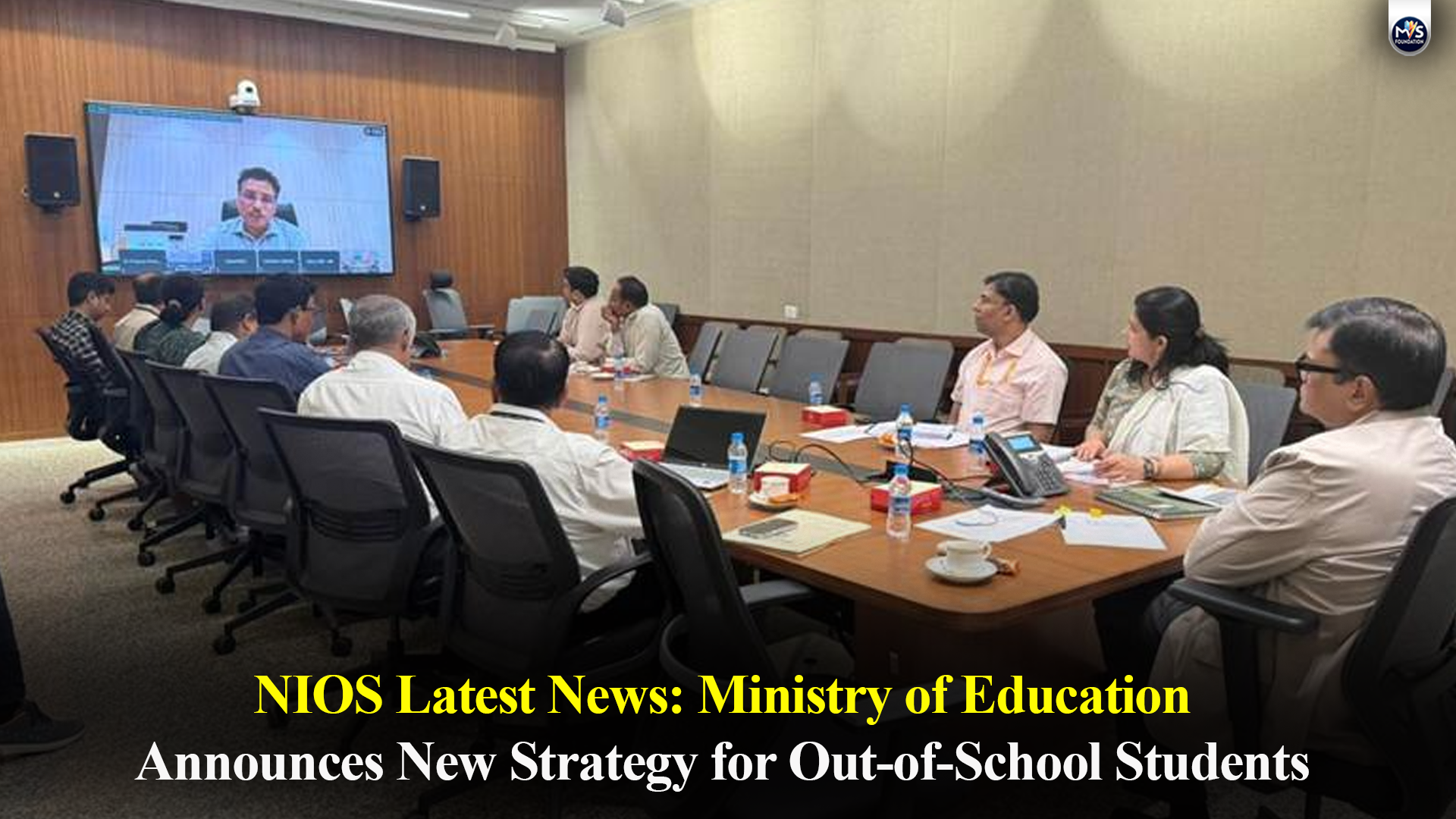
Millions of children in India leave school before completing their education due to financial, social, and personal challenges. To address this issue, the Government of India has launched a new initiative through the National Institute of Open Schooling (NIOS) to help nearly 2 crore out-of-school children aged 14–18 continue their education. With its flexible learning system and government-recognized certification, NIOS offers a second chance for students to complete their Class 10 or Class 12 education. In this article, we'll explain the initiative, its benefits, eligibility, and how students can get started.
The Government of India has launched a new initiative to help nearly 2 crore out-of-school children aged 14–18 return to education through the National Institute of Open Schooling (NIOS). Announced by the Ministry of Education, the initiative aims to provide flexible, accessible, and inclusive learning opportunities. It also supports the vision of the National Education Policy (NEP) 2020, which focuses on ensuring equitable and lifelong learning opportunities for every child.
Many children in India discontinue their education due to financial, social, and personal challenges. Understanding these reasons is essential to addressing the problem and ensuring that every child has access to quality education.
Many families cannot afford educational expenses, forcing children to leave school and support their household income.
Some children, especially in rural areas, leave school to care for siblings, elderly family members, or help with household work.
Early marriage, particularly among girls, and social barriers often prevent students from completing their education.
Families who migrate for work frequently interrupt their children's education, while some teenagers start working to earn a livelihood.
The COVID-19 pandemic disrupted learning, causing many students to fall behind and eventually drop out of school.
Students who fail Class 10 or Class 12 examinations may lose confidence and discontinue their education.
In some remote and underserved areas, limited access to schools, transportation, and educational facilities makes regular attendance difficult.
The Government has chosen the National Institute of Open Schooling (NIOS) because it offers a flexible and inclusive education system for students who cannot attend regular schools. Its learner-friendly approach makes it easier for out-of-school children to complete their education and build a better future.
Students can learn according to their own schedule without attending regular school.
Students from every state and region can enroll in NIOS through its widespread network and online services.
Learners can study at their own speed, making education more convenient and less stressful.
NIOS offers flexible examination options, allowing students to appear for exams when they are prepared.
NIOS provides educational opportunities for school dropouts, working students, girls, and learners from diverse backgrounds, ensuring no one is left behind.
The National Institute of Open Schooling (NIOS) is an autonomous institution under the Ministry of Education, Government of India, that provides flexible and quality education to learners who cannot attend regular schools. It offers recognized academic and vocational courses, allowing students to complete their education at their own pace.
NIOS is India's largest open schooling board, providing accessible education to learners across the country.
NIOS certificates are recognized by the Government of India and are accepted by universities, colleges, and employers nationwide.
Students can complete their Class 10 education through a flexible learning system with a wide range of subject choices.
NIOS offers Class 12 courses that enable students to pursue higher education and competitive exams.
In addition to academic programs, NIOS also offers vocational, skill development, and life enrichment courses to enhance career opportunities and practical knowledge.
The Government's NIOS initiative is designed to support learners who have been unable to continue their education through the regular school system. It offers a flexible pathway for students from diverse backgrounds to complete their academic goals.
Students who left school due to personal, financial, or social reasons can restart their education.
Learners who could not pass their board exams can continue their studies through NIOS.
Individuals balancing work and education can benefit from NIOS's flexible learning and examination system.
Girls who had to leave school because of family responsibilities or early marriage can resume their studies.
Students living in remote areas with limited access to regular schools can continue their education through NIOS.
Learners who need a recognized Class 10 or 12 qualification while preparing for competitive exams can choose NIOS.
Students facing health issues or other personal circumstances can study at their own pace and complete their education.
NIOS offers a flexible and learner-friendly education system, making it an excellent choice for students who cannot continue with regular schooling. Here are some of its key benefits:
Students can study according to their own schedule without the pressure of regular classroom attendance.
NIOS allows learners to choose subjects based on their interests, academic goals, and career plans.
Eligible students can appear for exams when they feel prepared through the On-Demand Examination System (ODES).
NIOS certificates are recognized by the Government of India and accepted by universities, colleges, and employers.
NIOS offers quality education at a cost-effective fee, making it accessible to students from different backgrounds.
Students can improve their previous board exam scores and enhance their academic performance.
NIOS-qualified students can apply for higher education programs and appear for various entrance examinations, subject to the eligibility criteria of the respective institutions.
A valid NIOS certificate enables students to apply for many government and private sector job opportunities where the qualification is accepted.
The Government's NIOS initiative is designed to make education more accessible for children who have left school. By offering flexible learning and recognized qualifications, it provides students with a second chance to complete their education and build a better future.
The initiative encourages out-of-school children to return to education through a flexible learning system.
It helps more students complete their basic education, contributing to higher literacy levels across the country.
Students who discontinued their studies can resume their education without starting over.
Completing Class 10 or 12 through NIOS improves career opportunities and job prospects.
NIOS promotes continuous learning by offering flexible education for learners of all ages.
The initiative ensures that students from different backgrounds have equal access to quality education and recognized qualifications.
Ensure you meet the eligibility criteria for the course and stream you wish to apply for.
Select the NIOS stream based on your educational background and admission requirements.
Complete the online admission form by providing accurate personal and academic details.
Upload the required documents, such as identity proof, photograph, signature, and educational certificates.
Pay the prescribed admission fee through the available online payment methods.
After successful submission and verification, you'll receive confirmation of your admission and enrollment in NIOS.
To complete your NIOS admission successfully, keep the following documents ready before filling out the online application:
A valid Aadhaar Card or any government-issued identity proof for identity verification.
A recent passport-size color photograph in the prescribed format.
A scanned copy of your signature as per the NIOS guidelines.
A valid address proof, such as an Aadhaar Card, Voter ID, Passport, Driving Licence, or Utility Bill.
A birth certificate, Class 8 certificate, or any other valid document showing your date of birth.
Previous marksheets, passing certificates, or Transfer of Credit (TOC) documents, if required for your chosen stream or course.
A NIOS certificate is recognized across India and opens the door to various academic and career opportunities. Students can pursue higher education, prepare for competitive exams, or explore professional career paths after completing their Secondary or Senior Secondary education.
NIOS-qualified students can apply for admission to universities and colleges across India, subject to the eligibility criteria of the institution.
Students can appear for competitive exams such as UPSC, SSC, Banking, Railway, CUET, JEE, and NEET, provided they meet the respective eligibility requirements.
A valid NIOS certificate is accepted for many government job applications where Class 10 or Class 12 qualifications are required.
NIOS graduates can apply for a wide range of private-sector jobs in different industries.
Students can enroll in diploma, vocational, and professional skill development programs to enhance their career prospects.
NIOS also provides a strong educational foundation for individuals who wish to start their own business or pursue self-employment opportunities.
While the government's NIOS initiative has the potential to bring millions of out-of-school children back into education, its successful implementation will require addressing several key challenges.
Many students and parents are still unaware of NIOS, its benefits, and the opportunities it provides.
Limited access to smartphones, computers, and the internet can make online learning and admissions difficult for many learners.
Keeping students motivated and ensuring they complete their courses remains an important challenge.
Learners in rural and remote regions may face difficulties accessing study centers, learning resources, and academic support.
Many students require proper guidance, counseling, and mentoring to successfully continue and complete their education through NIOS.
The Government's NIOS initiative provides a valuable opportunity for students to complete their education. By following the right approach and staying consistent, learners can achieve better academic outcomes and make the most of this flexible learning system.
Select subjects that match your interests, strengths, and future career goals.
Prepare a realistic study plan and dedicate regular time to learning.
Participate in Personal Contact Programme (PCP) classes to interact with teachers and clarify doubts.
Complete and submit Tutor Marked Assignments (TMAs) before the deadline, as they contribute to your overall performance.
Study from the official NIOS books and learning resources to prepare effectively for examinations.
If you face any difficulties during admission or preparation, seek guidance from experienced mentors or authorized NIOS support centers to stay on the right track.
MVS Foundation provides comprehensive support to students throughout their NIOS journey, making the admission process and exam preparation simpler and more effective.
Get step-by-step assistance with the NIOS admission process and eligibility requirements.
Receive help in preparing and uploading the required documents correctly.
Choose the right subjects based on your academic background and career goals.
Access quality study materials, notes, and learning resources for better preparation.
Get expert support for completing and submitting Tutor Marked Assignments (TMAs) on time.
Receive guidance for preparing practical files and completing practical-related requirements.
Clear your academic doubts with experienced mentors and subject experts.
Get one-on-one counseling to plan your studies, stay motivated, and achieve your educational goals.
Yes. NIOS is a government-recognized board under the Ministry of Education, and its certificates are accepted by universities, colleges, and employers across India, subject to the eligibility criteria of the respective institution.
2. Who can apply under this NIOS initiative?
The initiative is primarily aimed at out-of-school children aged 14–18 years. It also benefits school dropouts, students who failed board exams, working learners, and others seeking to complete their education through NIOS.
3. Can students who failed CBSE or State Board join NIOS?
Yes. Students who have failed or discontinued their studies in CBSE, ICSE, or any State Board can apply for NIOS, provided they meet the eligibility requirements.
4. Is there an age limit for NIOS admission?
Yes. The minimum age depends on the course. For Secondary (Class 10), the minimum age is 14 years, and for Senior Secondary (Class 12), it is 15 years. There is no upper age limit.
5. Can I prepare for JEE, NEET, or CUET after NIOS?
Yes. NIOS students can appear for JEE, NEET, CUET, and other competitive exams if they fulfill the eligibility criteria specified by the respective examination authorities.
The Government's NIOS initiative is a major step toward making education accessible to every child and reducing school dropout rates across India. With its flexible learning system, government-recognized certification, and nationwide reach, NIOS provides a valuable second chance for students to complete their education. Whether a learner left school due to financial, personal, or academic reasons, this initiative offers a new opportunity to continue their studies and build a brighter future. If you're eligible, now is the right time to take the first step toward achieving your educational goals.
0 Response

Stay updated with the latest news, articles and updates directly into your box