Get in Touch
We will get back to you within 24 hours.
We will get back to you within 24 hours.
Welcome to MVS Blog

Failing CBSE 10th or 12th exams does not mean the end of a student’s academic journey. Today, there are several flexible learning options that allow students to continue their education and complete their studies without losing an academic year.
Many learners prefer the NIOS Board because it offers a more flexible study structure, self-paced preparation, and multiple opportunities to appear for exams. This makes it a suitable option for students who want to rebuild confidence and continue their education in a less stressful environment.
Open schooling is designed to offer a flexible and student-friendly approach to education, especially for those who are unable to continue in regular classroom settings. Under this system, students can study independently at their own pace, choose their preferred study schedule, and appear for examinations when they feel fully prepared.
The NIOS Board follows this model for both 10th and 12th classes, providing well-structured study materials, online support, and examination facilities that help learners complete their education in a convenient way.
Another important aspect of this system is the wide recognition of its certificates. Degrees and certificates issued by the board are accepted by universities, government institutions, and private employers, which means students can smoothly move forward to higher education or career opportunities without facing limitations.
Students who are unable to clear their CBSE 10th or 12th examinations often look for alternative ways to continue their education, and open schooling provides a suitable opportunity for them.
Under this system, learners from different academic backgrounds, especially those who have failed or wish to improve their results, are eligible to apply. The basic requirements generally include a minimum age limit depending on the course level, along with proof of previous qualification such as passing or failing certificates from CBSE.
This makes the admission process more inclusive, allowing students to restart their academic journey without unnecessary barriers.
Many students choose open schooling because it gives them greater control over their learning journey compared to traditional schooling. One of the biggest advantages is the flexible schedule, which allows learners to study at their own pace without the pressure of fixed classroom timings.
This is especially helpful for students who need extra time to understand subjects or balance studies with other responsibilities. Another important benefit is the availability of multiple exam opportunities under the system, which means students are not restricted to a single annual attempt and can improve their performance over time.
Together, these features make it a practical option for learners seeking a more comfortable and supportive academic path.
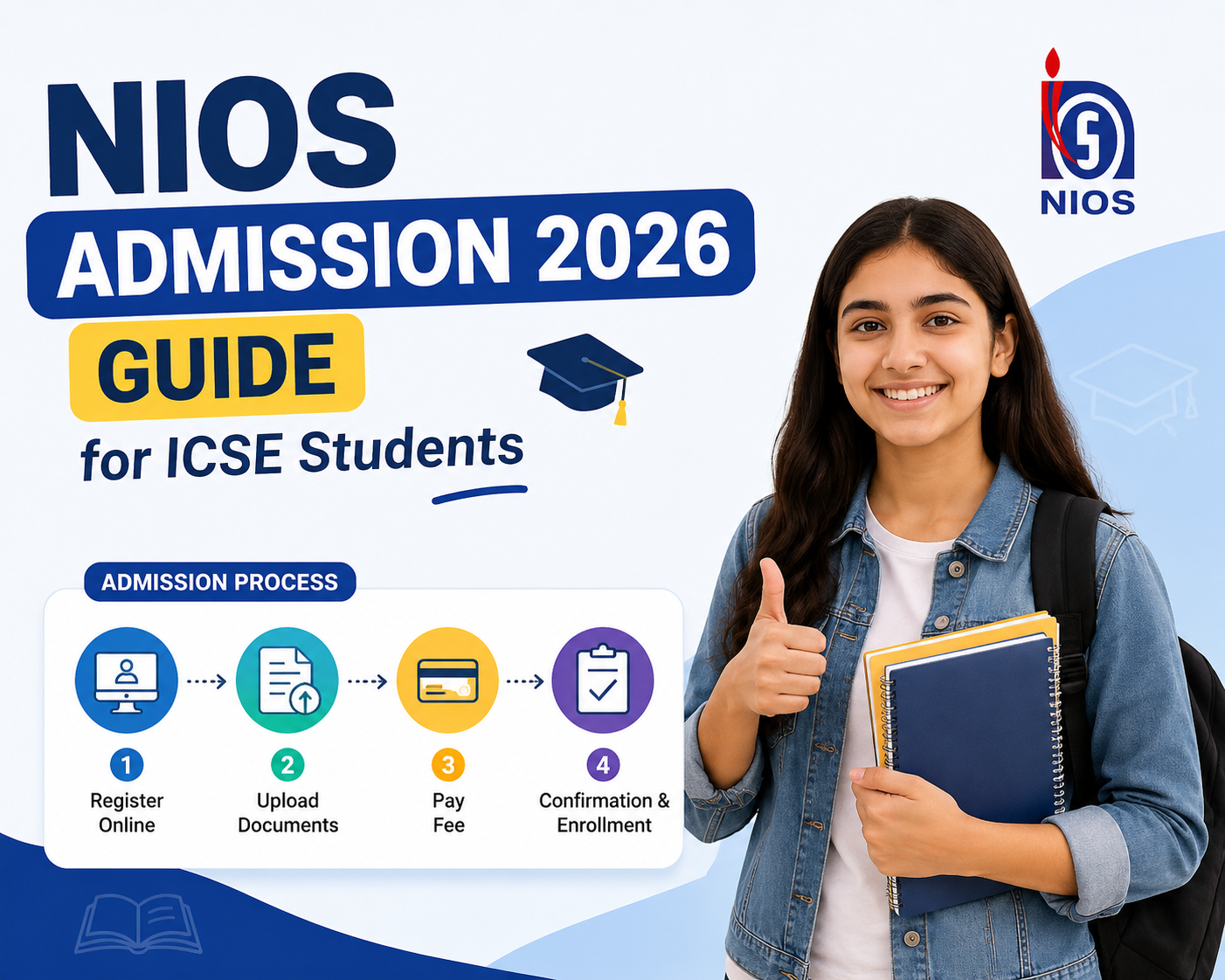
The admission process for open schooling is designed to be simple and fully online so that students can complete it without difficulty. The first step is to visit the official portal and complete the online registration by entering basic personal and academic details.
After registration, students need to fill out the application form carefully and select their desired subjects. Once the form is completed, the next step is to upload required documents such as previous mark sheets, identity proof, and photographs in the correct format.
Finally, applicants must pay the admission fees through available online payment methods to successfully complete the enrollment process.
To complete the enrollment process in open schooling, students need to submit a set of important documents for verification. The first requirement is academic records, such as previous mark sheets or certificates from earlier classes, which confirm the student’s educational background.
Along with this, valid identity proof like Aadhaar card, passport, or any government-issued ID is also necessary to verify personal details. In addition, address proof documents are required to confirm the student’s residence. Keeping these documents ready in advance helps ensure a smooth and hassle-free admission process.
Open schooling offers students the freedom to choose from major academic streams based on their interests and future goals. Learners can opt for Science, Commerce, or Arts depending on the career path they wish to follow.
Along with stream selection, students are also given flexibility in choosing subject combinations, which allows them to mix and match subjects instead of following a rigid structure. This approach helps students design a study plan that suits their strengths and makes learning more comfortable and personalized.
The examination system in open schooling is designed to assess students through a balanced mix of theory exams, assignments, and practical work wherever applicable. Theory papers evaluate subject knowledge, while assignments help students strengthen their understanding throughout the course.
Practical assessments are included for subjects that require hands-on learning, ensuring a complete evaluation of skills. To pass, students must secure the minimum required marks in both theory and practical components.
If a student is unable to clear a subject in one attempt, there are improvement opportunities available, allowing them to reappear and improve their performance without losing a year.
After completing their studies through open schooling, students gain access to a wide range of career and higher education opportunities. The certification is widely accepted, allowing learners to apply for college admissions, competitive exams, and various job roles just like regular board students.
One of the biggest advantages is that it gives students a second chance to complete their education without losing academic years. This supportive system helps learners rebuild their academic path, improve their qualifications, and move forward with better confidence and future opportunities.
Admission in open schooling is generally conducted in multiple cycles throughout the year, giving students enough flexibility to apply at a convenient time instead of waiting for a single fixed session.
The expected registration periods usually open in phases, where students can complete their application forms, submit documents, and finalize admission before the deadline of each cycle. Missing one cycle does not mean losing the entire year, as another admission window is usually available.
Along with this, exam schedules are also planned in a structured manner, allowing students to appear when they are prepared. Results are declared after the examination process is completed, followed by re-evaluation or improvement options if required. This flexible timeline system helps students manage their studies in a more relaxed and balanced way.
Open schooling has become a practical and supportive option for students who are unable to clear CBSE board exams, as it allows them to continue their education without wasting an academic year.
It provides a flexible learning environment where students can study at their own pace and focus on understanding concepts rather than academic pressure. This approach not only helps in completing 10th or 12th education but also opens doors for higher studies and career opportunities.
Most importantly, it gives students a fresh start, helping them rebuild confidence, overcome setbacks, and continue their educational journey with a more positive mindset and better clarity about their goals.
0 Response

Stay updated with the latest news, articles and updates directly into your box