
Get in Touch
We will get back to you within 24 hours.
We will get back to you within 24 hours.
Welcome to MVS Blog

Changing schools isn't something you do every day - especially when it involves shifting education systems. Lots of learners go with NIOS at first because it fits better around life stuff, like work, health troubles, or just needing more time to study on their own terms. But things shift over time. Then comes this thought: Is it possible to move from NIOS back to CBSE or a State Board once you've started?
Yes, usually it’s doable. NIOS runs under India’s Education Ministry - so it’s legit. Colleges or jobs accept its certificates, which means switching schools can work out fine. But things get tricky because each school decides on their own terms. You’ll need to follow certain steps, nothing happens right away.
This guide shows how possible it is, what’s needed, also the actions required to get students moving back into regular schools - either CBSE or their local State Board.

To make things go smoothly, you gotta know how these school setups differ at their core - so check the basics before jumping in.
NIOS helps people who can't go to regular school every day. So they pick subjects that fit their needs. Also, exams can be taken whenever ready - thanks to the on-demand system. Study speed depends on each learner’s comfort. Since it's an approved board, NIOS certificates work everywhere in India.
These boards work in tightly organized school setups. Yet they require regular class presence, set yearly schedules, besides uniform lesson plans for each level. While this setup brings stability, it doesn't allow the adaptability found in open education models.
The main challenge when moving involves connecting that freedom with the strict rules of regular school.

Yes, education rules now lean toward more adaptable ways to learn. Thanks to NIOS being widely accepted, kids can still get into other schools later - no real roadblocks there.
Still, it’s up to each CBSE or State Board school to decide whether a student gets in. These schools - not the central board - handle enrollment on their own, weighing things like space availability, location, and sibling ties.
Getting into busy schools? There’s usually no room for switchers - spots fill fast.
Sticking to one school for grades 11 and 12 helps keep learning steady - many schools push for this so students don’t miss key lessons. Internal exams flow better when there’s no switch halfway. Plus, hands-on subjects need consistent follow-up. That’s why shifting late can cause gaps.
Even though both systems teach the same basics, how they’re arranged or timed might not match. One school may worry a new student won’t keep up if coming from another board.
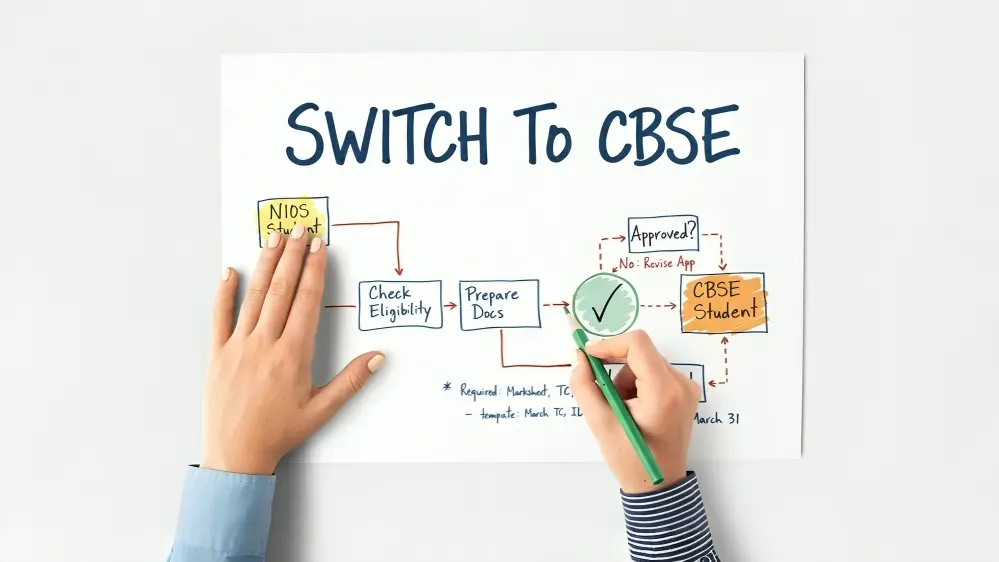
A seamless shift depends on careful planning - plus getting the right documents from NIOS.
Students aren't enrolled in regular schools with fixed schedules, so NIOS doesn't give out typical transfer certificates - instead, they provide alternate documentation that serves a similar purpose.
The key papers you need? That’s the Migration Certificate from NIOS, plus your Marksheet and Pass Certificate. But if you were at a regular school before NIOS, then toss in the Transfer Certificate from there too.
You’ve got to hand in every subject result you passed through NIOS. That way, the next school can check your progress properly - so they put you at the right level. Results from the On-Demand Exam System count too; keep in mind some schools might not accept them.
Date of birth cert: needed to check how old you are.
Small photos: used for paperwork.
Proof of where you live: Schools - public ones or certain private places - usually ask for it when signing up.
The simplicity of moving ahead mostly hinges on what level you're at in school - so it changes step by step.
Switching after NIOS Class 10? That’s actually pretty straightforward. The NIOS Class 10 certificate counts the same as one from CBSE or any state board. So, when it comes to joining Class 11, you're eligible - just depends on how schools rank students and their entry requirements.
Switching schools during Class 11 or 12? It's way tougher. Most regular schools aren't keen on taking new students at this stage - grading systems don’t match up, lab sessions might be missing, besides exam records need to align with board rules. Some places insist the student redo the entire year just to cover every base.
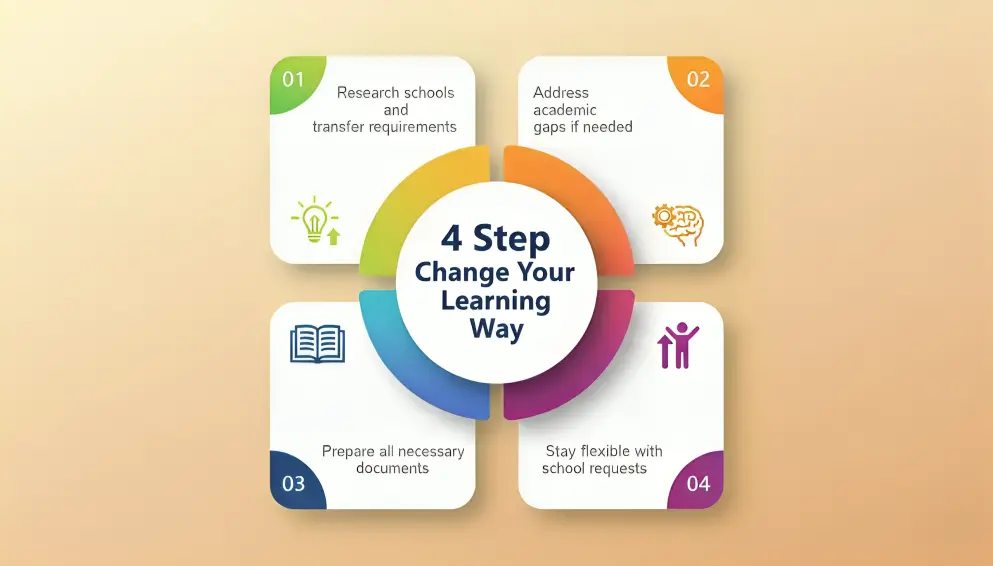
Getting ready matters if you want things to go well.
Don't take admission for granted. Reach out straight to the admin teams at possible CBSE or State Board schools. Inquire clearly about how they handle NIOS shift requests along with needed paperwork.
Look at how the NIOS curriculum lines up with the level you're aiming for. Get ready to take catch-up classes or get help outside class if needed - some gaps could show up because NIOS lets you move at your own pace.
Make sure every paper's ready - like the Migration Certificate from NIOS - before you head to a new school.
When applying, lay out every paper neatly. Stay flexible with what the school asks - maybe a test or a chat is needed. Should they suggest redoing a grade to fit better into their setup, think it through as a smart move down the road.
For NIOS Study Info: Click here
For NIOS Admission: 91 8882104776

Switching back to CBSE or State Board from NIOS? Sure, it's possible - systems allow such moves. Since NIOS is recognized, your progress stays solid. Rules support this shift without hassle.
The success of moving schools depends on careful prep - remember, each school decides who gets in. Plus, you’ll need every required paper, particularly the Migration Certificate. A solid plan helps learners settle back into regular classes without hassle.
0 Response

Stay updated with the latest news, articles and updates directly into your box