Get in Touch
We will get back to you within 24 hours.
We will get back to you within 24 hours.
Welcome to MVS Blog

After interacting with hundreds of CBSE students over the years through classrooms, doubt sessions, comments, and one-on-one conversations I’ve come to a clear conclusion: most students don’t struggle because they lack intelligence. They struggle because they don’t have daily systems.
Everyone talks about marks. Everyone worries about results. But very few people talk about the small, repeatable habits that actually lead to success in the CBSE Board Exam.
So I decided to put this article together.
This isn’t sponsored.
And this isn’t about “study 12 hours a day” motivation.
This is simply everything I’ve observed what actually works, what doesn’t, and what consistently helps students improve scores in CBSE board exams.
These are not shortcuts. They’re habits.
Let’s get into it.

If you look closely, CBSE board toppers don’t do anything magical. They don’t study all night. They don’t memorize entire textbooks in one sitting. And they don’t rely on panic-fueled last-minute revision.
What they do have is structure.
The CBSE Board Exam tests consistency far more than intelligence. It rewards students who understand concepts, revise regularly, and present answers clearly. That means your everyday routine matters more than your “final month strategy.”
Once I understood this, everything about CBSE preparation started to make sense.
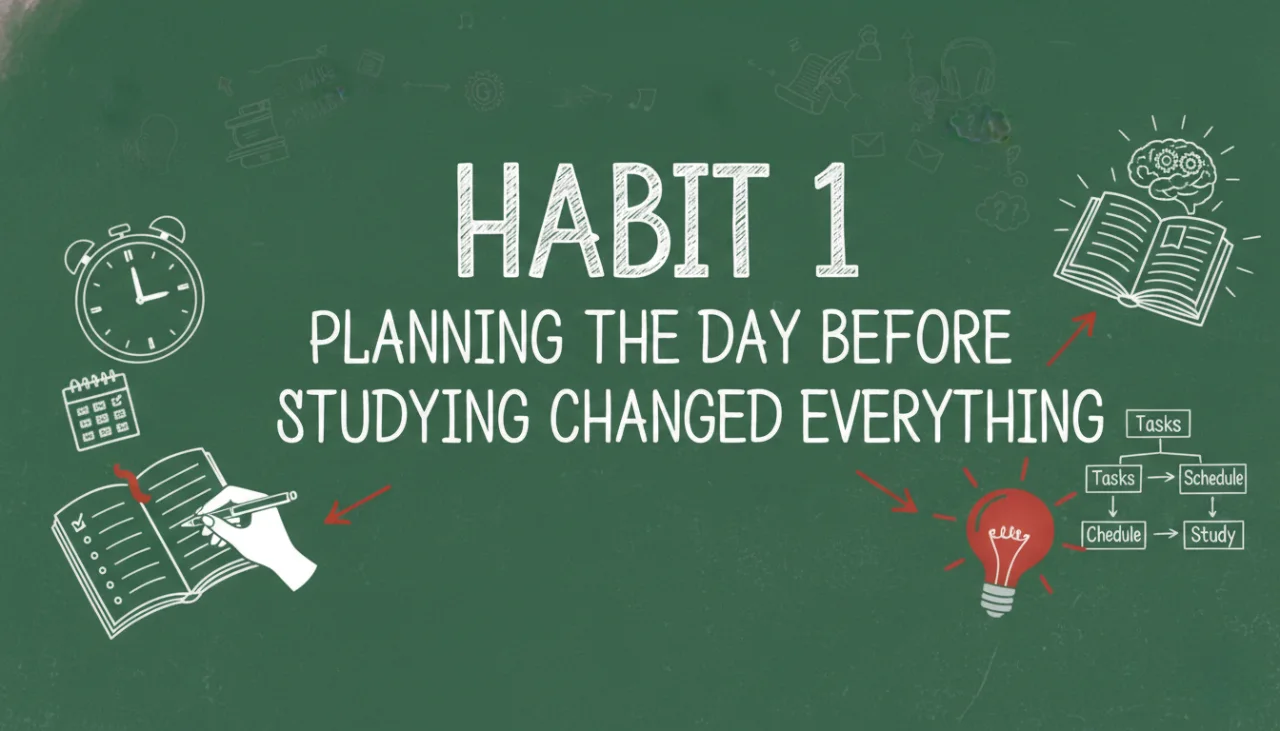
Most students start studying like this:
They sit down, open a book, and then decide what to study.
That’s already too late.
One of the most effective CBSE Exam Tips I’ve seen is planning before execution. Students who know exactly what they’re studying that day waste less time and feel more in control.
A simple daily plan creates direction. It removes hesitation. It turns study time into focused time.
Students who plan daily:
Cover the syllabus evenly
Avoid last-minute panic
Feel less overwhelmed
You don’t need a fancy planner. Even a handwritten list works. The habit matters more than the tool.
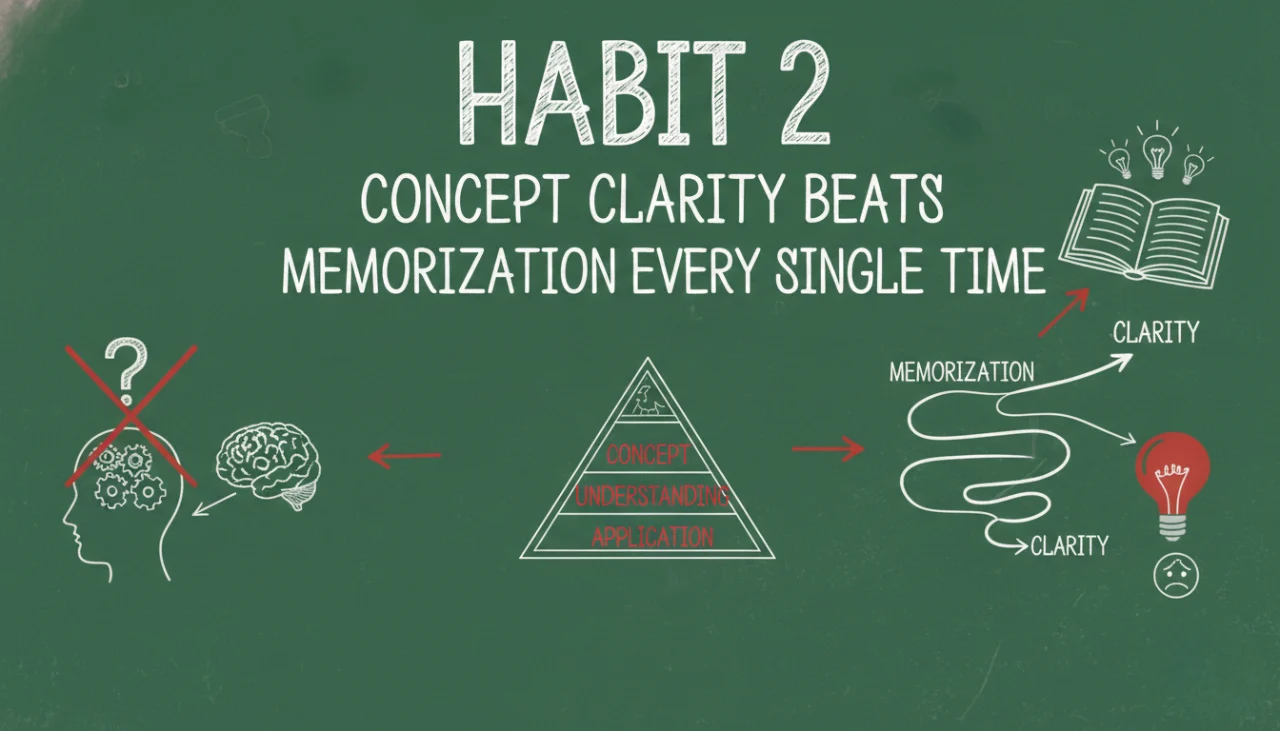
Here’s something that hasn’t changed in CBSE exams:
Students who understand concepts score better than students who memorize answers.
The CBSE Board Exam increasingly tests application, reasoning, and clarity. That’s why memorized answers often fail when questions are twisted slightly.
The best-performing students spend more time asking why than what.
They read NCERT carefully.
They connect chapters.
They explain ideas in their own words.
One of the most reliable CBSE Exam Tips is this:
If you can explain a topic without looking at the book, you’ve understood it.
Concept clarity also reduces fear. When you understand something, exams stop feeling unpredictable.
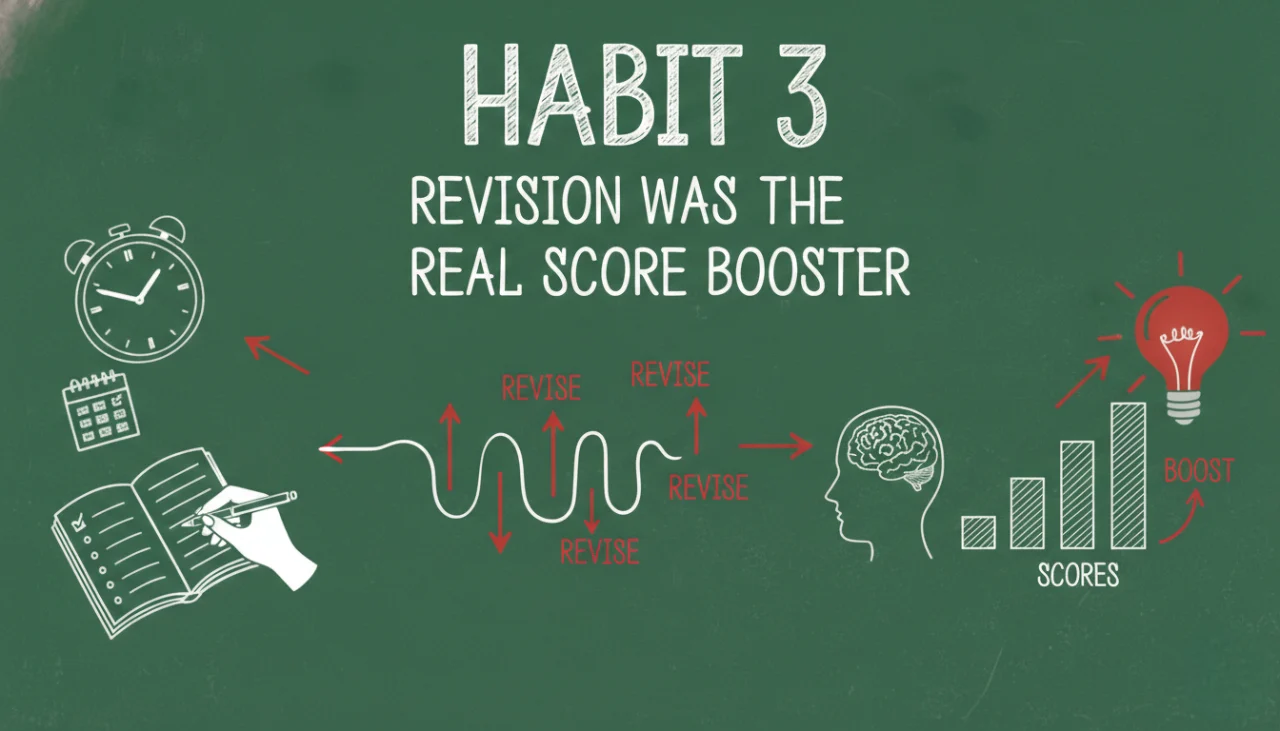
Most students study. Very few students revise properly.
And that’s where marks are lost.
The brain forgets information quickly if it’s not revisited. This isn’t a motivation issue—it’s biology. Daily revision strengthens memory and makes recall automatic during exams.
Students who revised daily didn’t feel the need to “relearn” everything before exams. They simply refreshed what they already knew.
Daily revision helps because:
Information stays fresh
Weak areas appear early
Confidence increases naturally
Short notes, formula lists, and summary pages make this habit easy and sustainable.
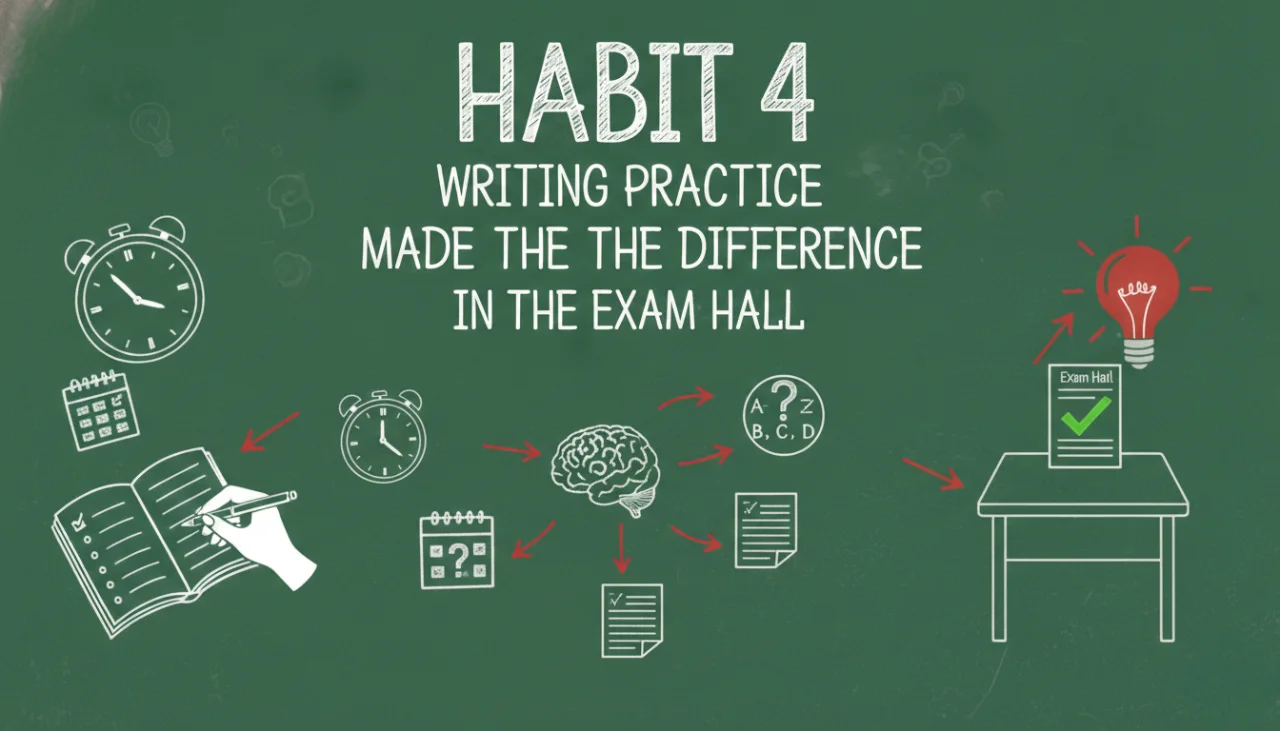
This is one habit students usually realize too late.
The CBSE Board Exam is a written exam. That means knowing answers isn’t enough—you must write them well, clearly, and within time.
Students who practiced writing answers regularly were calmer in the exam hall. They knew how much to write. They knew how to structure answers. They didn’t panic over time.
Writing practice improves:
Speed and presentation
Clarity of expression
Time management
Even 2–3 written answers a day can build this skill. It’s one of the most underrated CBSE Exam Tips—and one of the most effective.
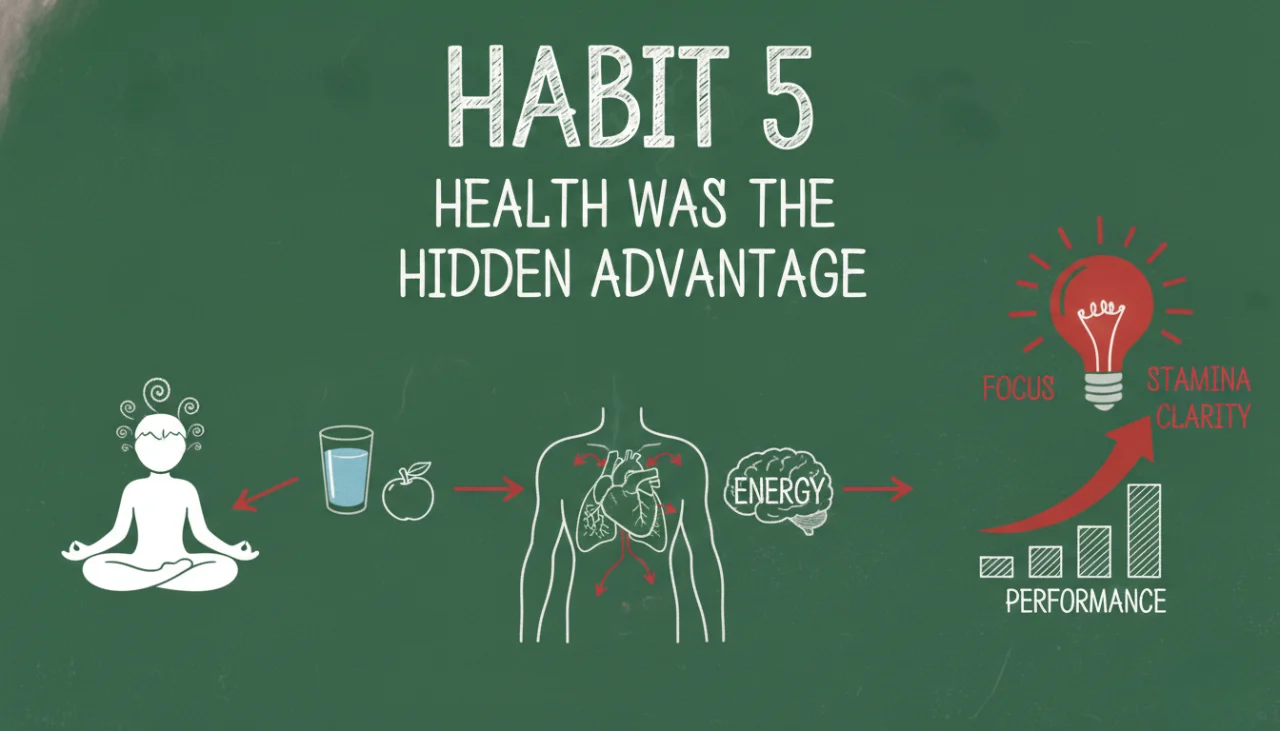
This one surprises people.
Students who slept better, ate properly, and took breaks actually studied more effectively—even if they studied fewer hours.
Exhaustion kills focus. Stress blocks memory. Poor health turns simple topics into heavy tasks.
Strong performers in the CBSE Board Exam didn’t ignore health. They respected it.
Healthy daily habits included:
Proper sleep
Short breaks during study
Light movement or stretching
Avoiding constant comparison
A calm mind performs better than a tired one. Every time.

After seeing patterns year after year, the same mistakes keep repeating.
Students hurt their preparation when they:
Ignore NCERT textbooks
Skip revision until the end
Study randomly without a plan
Avoid writing practice
Panic instead of adjusting strategy
Avoiding these mistakes alone can improve scores significantly in CBSE board exams.
Read About: Score High in CBSE Board Exams

Here’s the truth most students don’t hear enough:
You don’t need extreme effort.
You need consistent effort.
Four to six focused hours daily beats twelve distracted hours occasionally. The CBSE Board Exam rewards students who show up every day, even when motivation is low.
Consistency builds confidence quietly. And confidence shows up loudly in exams.

At MVS Foundation everything we do is built around one idea:
Students don’t need pressure—they need clarity.
That’s why we provide CBSE guidance on YouTube, focusing on:
Concept-based explanations
Practical CBSE Exam Tips
Revision strategies
Confidence and exam mindset
Our goal is simple: help students understand better, study smarter, and approach exams with confidence instead of fear.

The CBSE Board Exam isn’t won in the last month. It’s won in daily routines that don’t look impressive but work powerfully over time.
Plan your day.
Understand concepts.
Revise consistently.
Practice writing.
Take care of your health.
That’s it.
No shortcuts. No hype. Just habits that work.
0 Response

Stay updated with the latest news, articles and updates directly into your box