Get in Touch
We will get back to you within 24 hours.
We will get back to you within 24 hours.
Welcome to MVS Blog
In the rapidly evolving world of technology and careers, students must focus on developing future-ready skills to stay competitive. The year 2026 will bring significant changes in the job market, driven by Artificial Intelligence (AI), automation, digital transformation, and global connectivity.
This guide explains the Top 10 Skills Every Student Should Learn in 2026, including AI, prompt engineering, digital communication, data literacy, and other essential career skills that will help students build successful and sustainable careers.

In 2026, employers will prioritize practical skills over theoretical knowledge. While degrees remain important, skills such as problem-solving, adaptability, and technological literacy will determine a student’s employability and career growth.
Students who continuously upgrade their skills will be better prepared to adapt to changing industries and emerging career opportunities.
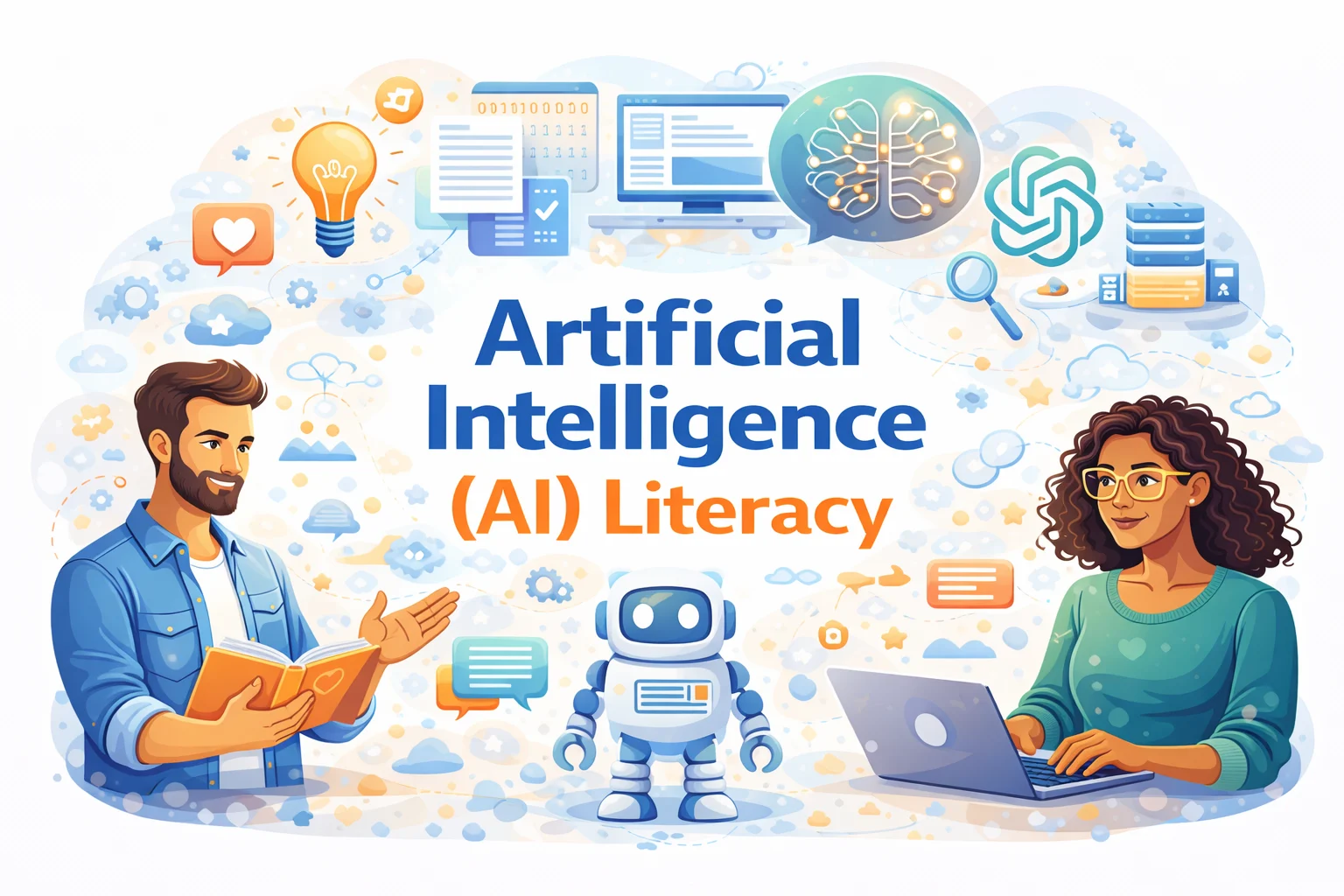
AI literacy is becoming a fundamental skill for students across all fields. Understanding how AI works and how to use AI tools effectively is essential in 2026.
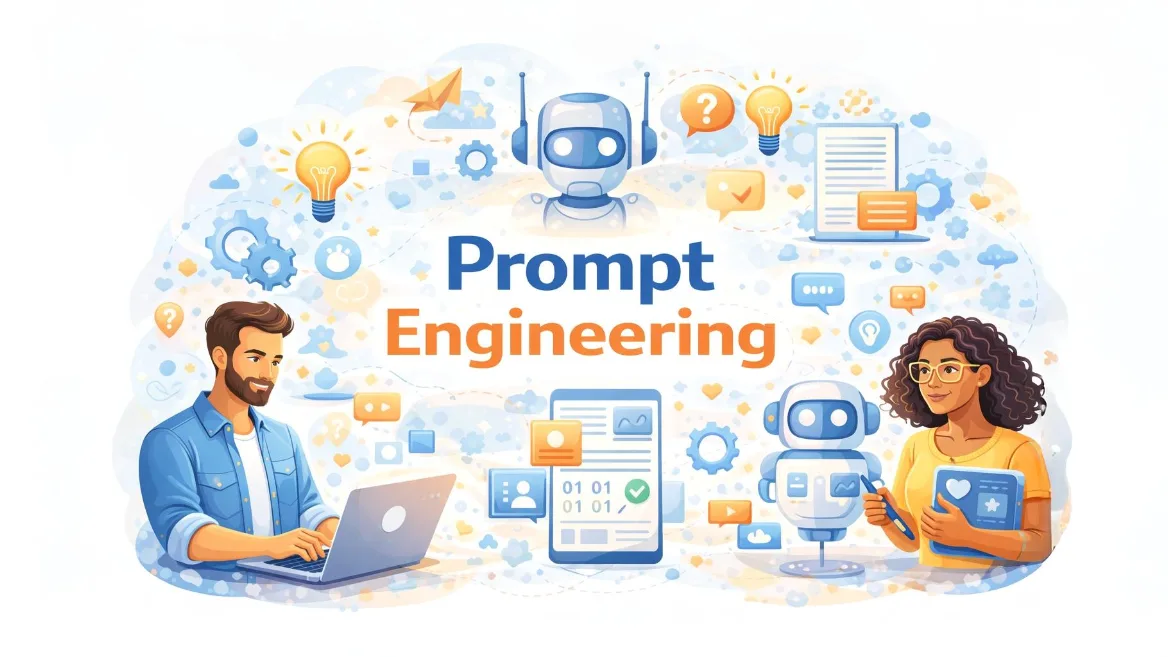
Prompt engineering is the skill of communicating effectively with AI systems to generate accurate and useful outputs. It is one of the fastest-growing skills in the digital era.
Read More: Click Here
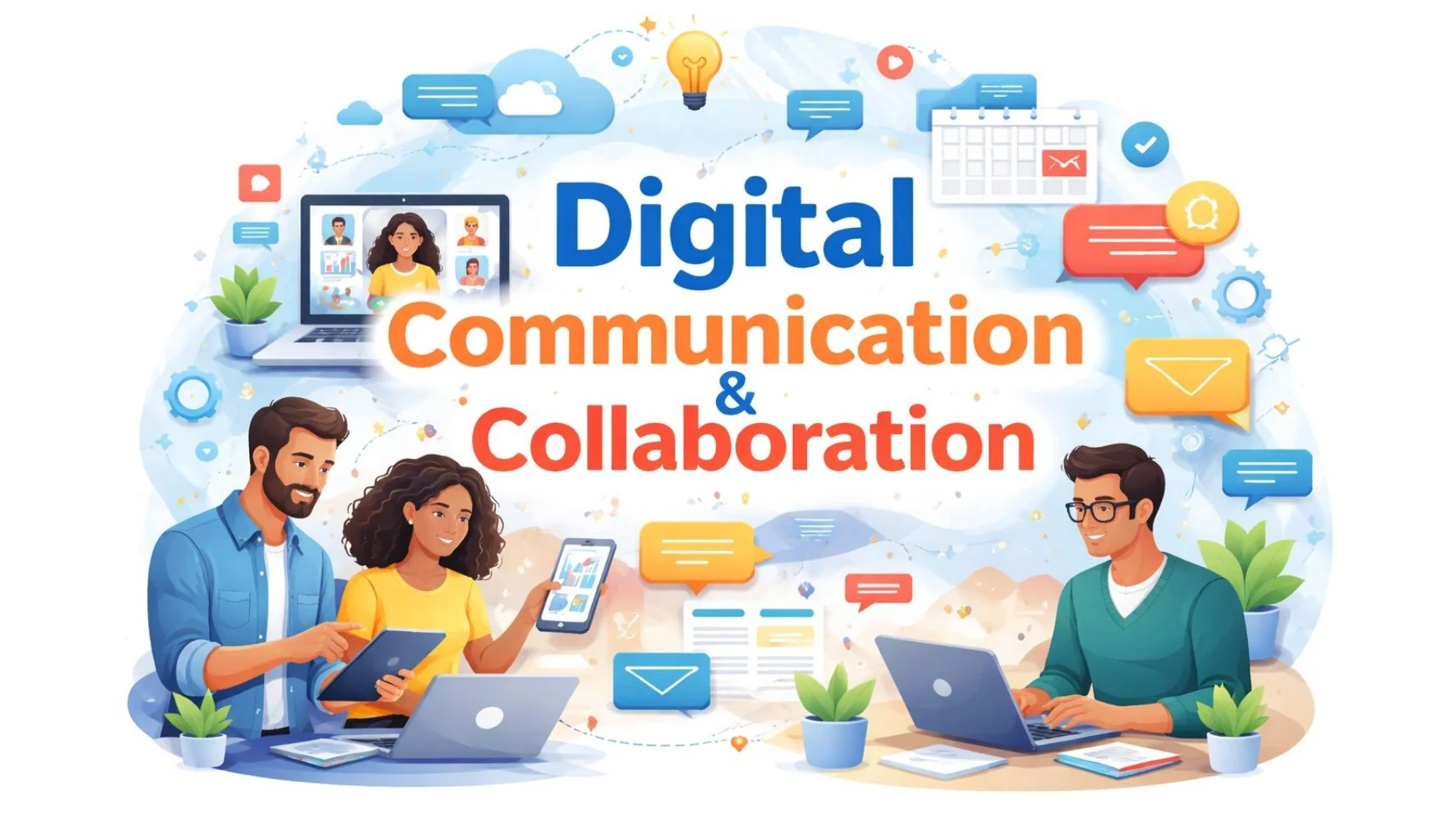
With the rise of remote work and global teams, students must master digital communication and collaboration tools.
Read More: Click Here
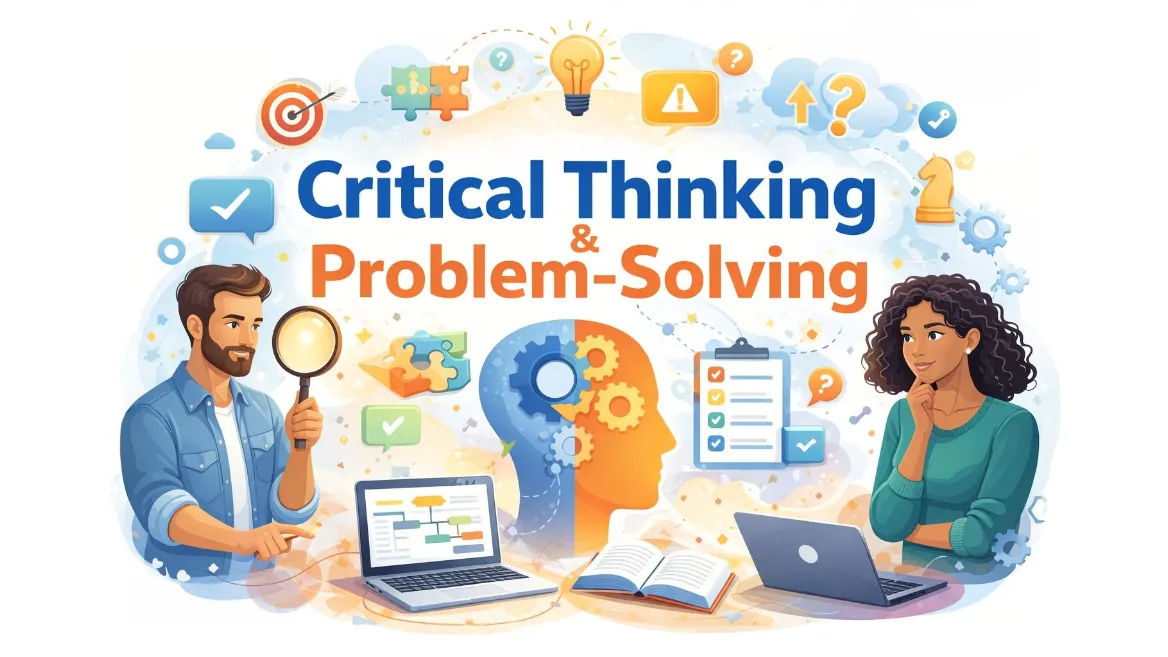
Critical thinking helps students analyze information, make informed decisions, and solve real-world problems effectively.
Read More: Click Here
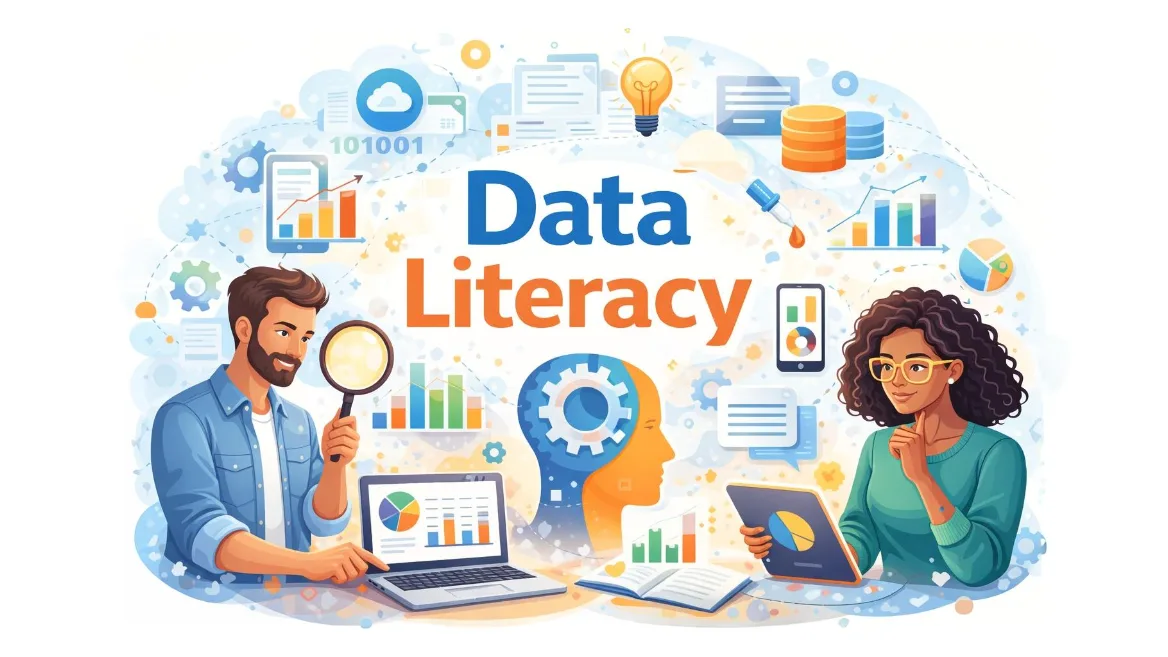
Data literacy is the ability to understand, analyze, and interpret data. In 2026, data-driven decision-making will be essential in almost every industry.
Read More: Click Here
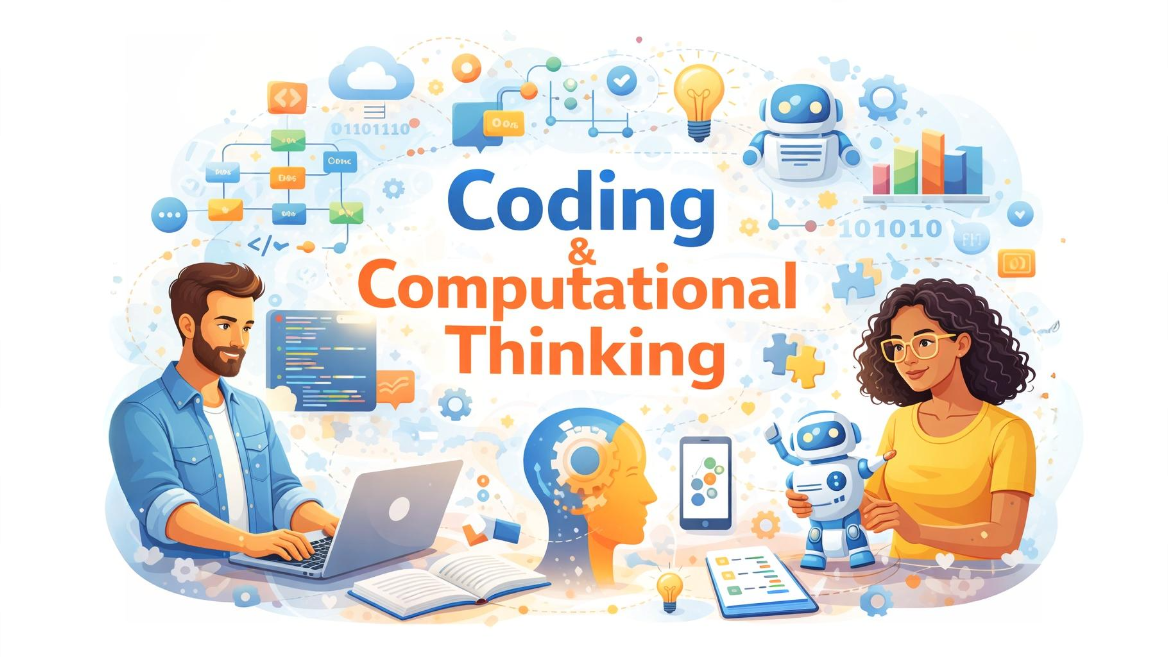
Coding is no longer limited to computer science students. Basic programming knowledge helps students understand technology and develop logical thinking.
Read More: Click Here
Creativity is a unique human skill that AI cannot fully replace. Students who think creatively will stand out in the future job market.
Read More: Click Here
Emotional intelligence helps students understand emotions, build relationships, and become effective leaders.
Read More: Click Here
In 2026, adaptability will be one of the most important skills. Students must be ready to learn new skills continuously.
Read More: Click Here
Personal branding helps students showcase their skills and achievements online, creating better career opportunities. like you can learn Search engine optimization or Google Map SEO skill which is high demandable in 2026.
The year 2026 will redefine careers and opportunities for students. Learning future-ready skills like AI, prompt engineering, data literacy, and emotional intelligence will help students stay ahead in the competitive job market.
By developing these skills early, students can build strong careers, adapt to technological changes, and achieve long-term success in their professional journeys.
0 Response

Stay updated with the latest news, articles and updates directly into your box