
Get in Touch
We will get back to you within 24 hours.
We will get back to you within 24 hours.
Welcome to MVS Blog

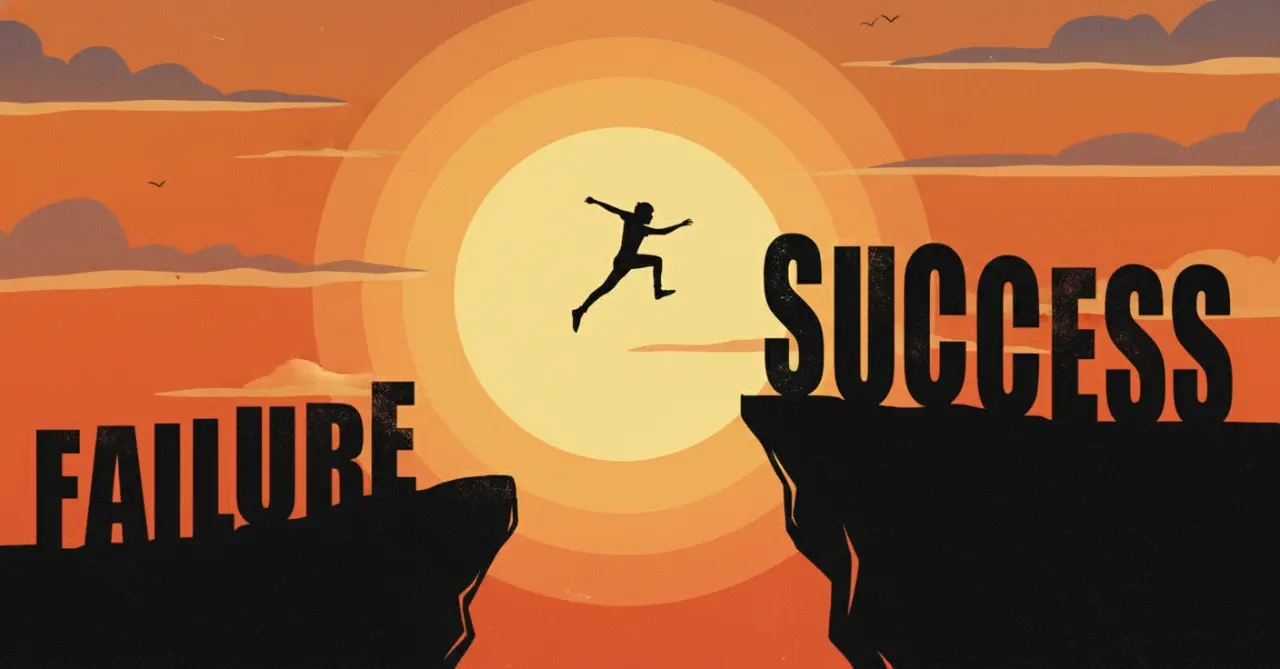
Getting a bad score might make everything seem to freeze. It doesn't matter if it's a state test, college screening, or just a school pop quiz letdown hits hard. Lots of kids and grown-ups think bombing a test means you're done for good. Yet could that actually be true?
History shows something different. Take Albert Einstein or Thomas Edison—both had trouble in school. What sets failure apart from a rough patch? It’s how you think about it. Instead of giving up, this post walks you step by step from bad grades to building real strength for what comes next.
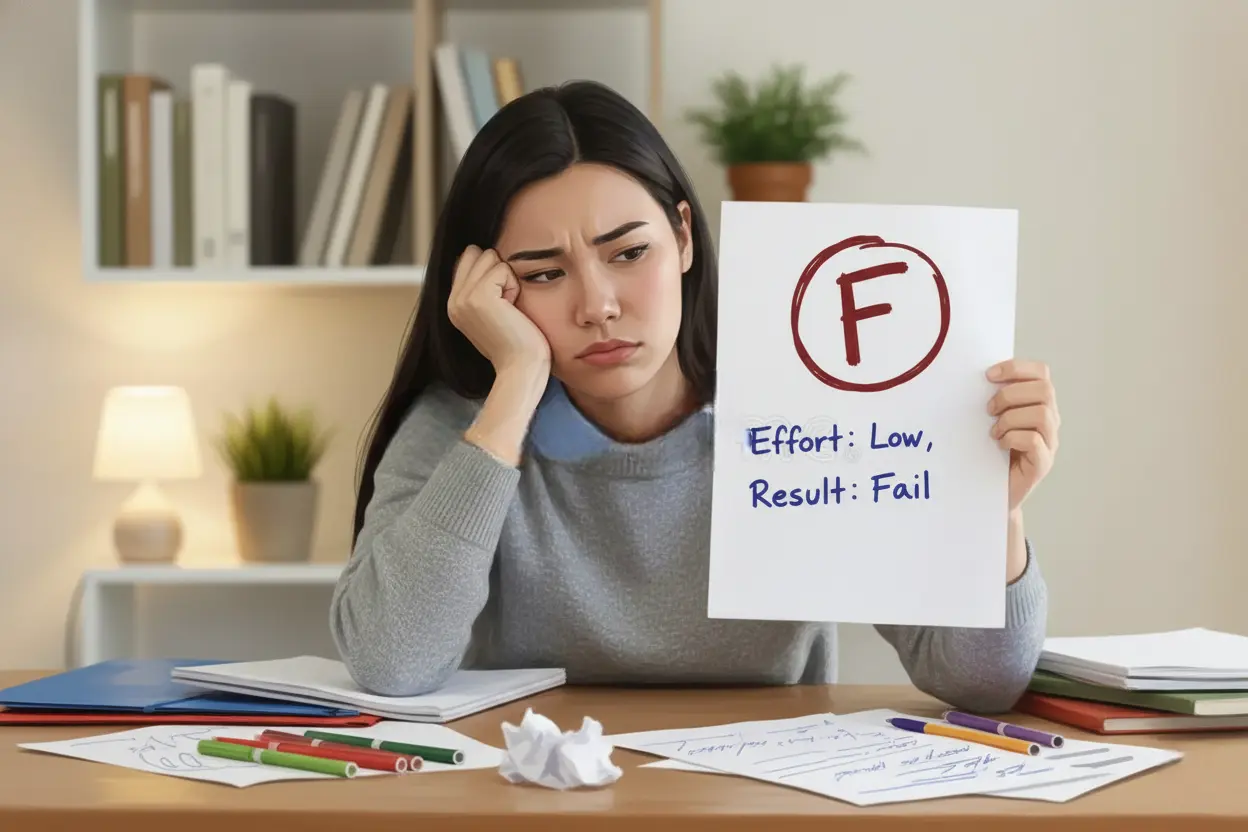
The first thing is to admit what’s really going on inside. Facing exam results that didn’t go your way can bring sadness, frustration, and worry about what comes next. Instead of brushing it aside, let yourself sit with it for a while. Give yourself a couple of days to take it in.
At the same time, remember this your scores don't define you. A test only measures what you recalled at one moment in time. It cannot measure your creativity, leadership, kindness, or the future you are capable of building.
Once the emotional weight eases, it’s time to look at the situation clearly. Treat it like an investigation, not a trial. The goal is understanding, not blaming.
Ask yourself honest questions. Did you prepare consistently or leave things until the last minute? Were your study materials actually helpful? Did exam stress, health, or lack of practice affect your performance?
Identifying the real reasons behind exam failures helps prevent the same mistakes from repeating.

Many learners struggle not because they lack ability, but because the system doesn’t suit their learning style. Traditional classrooms follow fixed schedules and rigid methods that don’t work for everyone.
If that environment held you back, this may be the right time to explore flexible academic options that allow you to learn at your own pace and in your own way.
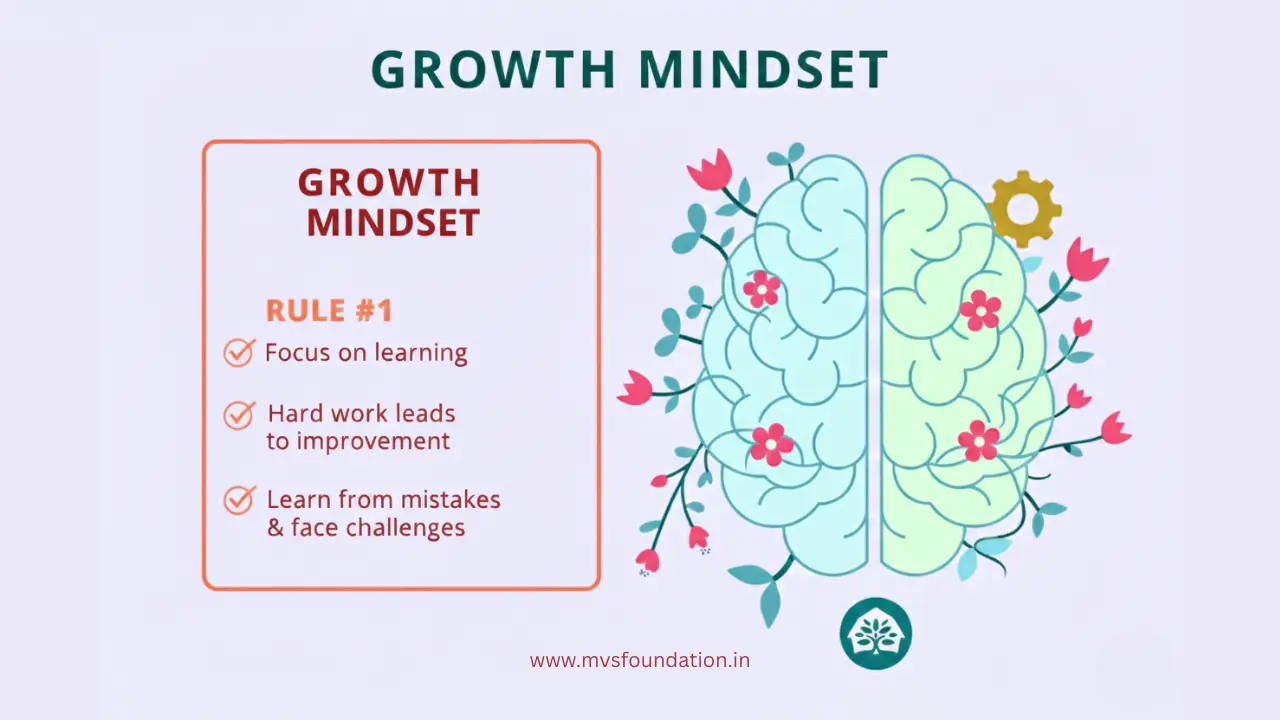
A growth mindset changes how you see failure. Instead of thinking, “I’m bad at this subject,” try thinking, “I’m not there yet.” That small word—yet—keeps the door open to improvement.
When you treat failed exams as feedback rather than proof of inability, learning becomes easier and progress feels possible.

If old study habits led to poor results, new ones are needed. This doesn’t mean studying longer hours—it means studying smarter.
Explain concepts out loud in your own words, even if no one is listening. Teaching what you learn helps information stick better than passive reading. Study in focused blocks of about 40 minutes, followed by short breaks to reset your attention.
Test yourself regularly instead of waiting for exam day. Weekly self-checks build confidence and reduce last-minute panic.
Read About: 12 Key Reasons to Choose NIOS

Failing an exam doesn’t always mean starting from zero. Boards like NIOS allow Transfer of Credit, which means subjects you have already passed don’t need to be repeated.
You only retake the papers you failed, reducing pressure and allowing you to focus your energy where it truly matters.

MVS Foundation supports students who feel lost after exam setbacks. A poor result is not the end—it’s a pause, not the finish line.
They help learners turn setbacks into comebacks by offering guidance, clarity, and structured support.
They assist with smooth NIOS admissions so students can complete their 10th or 12th grade without unnecessary delays. They provide simplified study materials for NIOS, DU SOL, and IGNOU, making complex topics easier to understand.
Online classes focus on important concepts, helping students improve results without burnout. Personal mentorship allows learners to rebuild confidence and move forward step by step.
Contact us for Admission: 91 8882104776

Sometimes failure happens simply because concepts were never fully clear. Asking for help is not weakness—it’s a smart move.
Support from teachers, online tutors, or academic mentors can provide new perspectives that suddenly make difficult topics easier to understand.

Many students fail exams not due to lack of knowledge, but because anxiety takes over during the test. Stress can block recall even when preparation is good.
Simple practices like deep breathing, proper sleep, and mock exams help train your mind to stay calm under pressure.

Progress works best when it’s gradual. Instead of aiming for perfection, aim for steady improvement.
One week can focus on understanding a difficult topic. The next week can be spent solving past exam questions related to that topic. Small wins build confidence and reduce fear of failure.
Read About: Can You Join College After NIOS?

In real life, resilience matters more than grades. Whether in a job or a business, success depends on the ability to recover and keep going.
When you face exam failure and still choose to try again, you build grit. That strength stays with you long after exams are over.

Success isn’t about never failing—it’s about what you do after failure. A failed exam might lead you to better study methods, clearer goals, or even a more fulfilling career path.
What feels like a loss today can turn into progress tomorrow.

Waiting only allows failure to feel heavier. Take one small step today talk to a mentor, review a syllabus, or simply decide to try again.
Action breaks the cycle of doubt.
Exam failures can feel overwhelming, but they don’t decide your future. With the right mindset, improved strategies, and support from organizations like MVS Foundation, setbacks can become stepping stones.
Your journey is your own. The pace doesn’t matter as much as moving forward with strength, clarity, and determination.
0 Response

Stay updated with the latest news, articles and updates directly into your box